
Building Your Dream Microhome in Costa Rica: An Expat's Step-by-Step Guide
Pura Vida! The dream of building a life in Costa Rica often comes with visions of lush rainforests, pristine beaches, and a slower, more intentional pace. For many expats, this dream now includes a sustainable, efficient, and deeply personal living space: a microhome. At Woodstock Microhomes Costa Rica, we believe in crafting not just houses, but lifestyles. This comprehensive guide will walk you through every essential step of building your microhome in paradise, ensuring a smooth and rewarding journey for you, the discerning expat.
Why a Microhome in Costa Rica? The Woodstock Advantage
Before diving into the “how,” let’s explore the “why.” Costa Rica is a global leader in sustainability, and microhomes perfectly align with its eco-conscious ethos. For expats, a microhome offers:
- Affordability: Significantly lower construction and maintenance costs compared to traditional homes, freeing up your budget for experiences [1].
- Sustainability: A smaller footprint means reduced energy consumption, less material waste, and a harmonious integration with Costa Rica’s natural beauty. Woodstock Microhomes prioritizes eco-friendly materials and designs.
- Efficiency: Thoughtful design maximizes every square foot, creating functional, comfortable, and clutter-free living.
- Flexibility: Whether it’s a cozy retreat in the mountains or a minimalist pad near the coast, microhomes adapt to diverse landscapes and lifestyles.
- Pura Vida Lifestyle: Less time on home maintenance means more time enjoying surfing, hiking, or simply relaxing on your porch, immersed in nature.
This is the essence of the Woodstock Microhomes philosophy: efficient, affordable, and sustainable living, perfectly tailored for your Costa Rican adventure.
Step 1: The Vision – Planning Your Microhome Life
Every great build begins with a clear vision. As an expat, your planning phase should be thorough:
Defining Your Needs and Desires
Consider your lifestyle in Costa Rica. Do you need a dedicated workspace? How often will guests visit? What are your priorities for outdoor living? Think about:
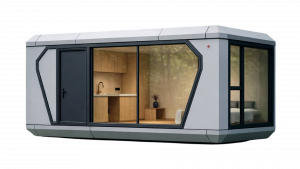
- Size & Layout: While “micro” implies small, there’s a range. Our Woodstock models offer various configurations to suit individual needs.
- Location Preferences: Coastal, mountain, rural, or near a town? This impacts land availability, regulations, and lifestyle.
- Budget: Be realistic about construction costs, land purchase, and ongoing expenses.
- Sustainability Features: Solar panels, rainwater harvesting, composting toilets – what level of off-grid living appeals to you?
Researching Localities and Communities
Costa Rica is diverse. Research areas that resonate with your expat community preferences and access to amenities. Popular expat destinations include Guanacaste, the Central Valley, and the Southern Zone. Consider proximity to services, cultural activities, and other expats.
Step 2: Navigating the Legal Landscape – Essential for Expats
Understanding Costa Rican law is paramount for a successful building microhome Costa Rica expat journey.
Engaging Legal Counsel
This is non-negotiable. Hire a reputable, bilingual Costa Rican attorney specializing in real estate and property law. They will guide you through land acquisition, permits, and contracts, protecting your interests [2].
Understanding Land Ownership for Foreigners
Foreigners generally have the same property ownership rights as Costa Rican citizens, with some exceptions in maritime zones (ZMT). Your attorney will clarify this.
Step 3: Finding Your Perfect Plot – Land Acquisition
The right land is crucial for your microhome.
Land Search and Due Diligence
- Real Estate Agents: Work with agents specializing in properties suitable for microhomes, often with a focus on sustainability or smaller plots.
- Topography & Utilities: Assess the land’s slope, access to water (ASADA connection or well viability), electricity (ICE), and internet. These factors significantly impact building costs and feasibility.
- Zoning Regulations: Confirm the land is zoned for residential construction and doesn’t have restrictions that would prevent building your desired microhome. Your attorney and architect will be vital here.
The Purchase Process
Once you’ve found your land, your attorney will conduct a thorough due diligence process, including title searches and verifying property boundaries, before facilitating the purchase agreement and registration.
Step 4: Permits and Regulations – The Bureaucratic Path
This is often the most challenging part for expats building a microhome in Costa Rica, but with the right team, it’s entirely manageable.
The Role of an Architect and Engineer
You’ll need a licensed Costa Rican architect to design your microhome and an engineer to approve structural plans. They will ensure your design adheres to all local building codes, seismic requirements, and environmental regulations. Woodstock Microhomes can connect you with experienced professionals who understand microhome design principles.
Key Permits Required
- Uso de Suelo (Land Use Permit): Obtained from the local municipality, confirming your land can be used for residential purposes.
- Plano Catastrado (Survey Plan): A registered survey of your property.
- Permiso de Construcción (Construction Permit): The main building permit, issued by the municipality after review and approval of your architectural and engineering plans by the Colegio Federado de Ingenieros y de Arquitectos (CFIA) [3].
- Environmental Permits (SETENA): Depending on the location and scope, you might need environmental impact assessments. Your architect will advise.
- Utility Connections: Permits for water, electricity, and sewage.
The timeline for permits can vary significantly, often taking several months. Patience and a proactive team are key.
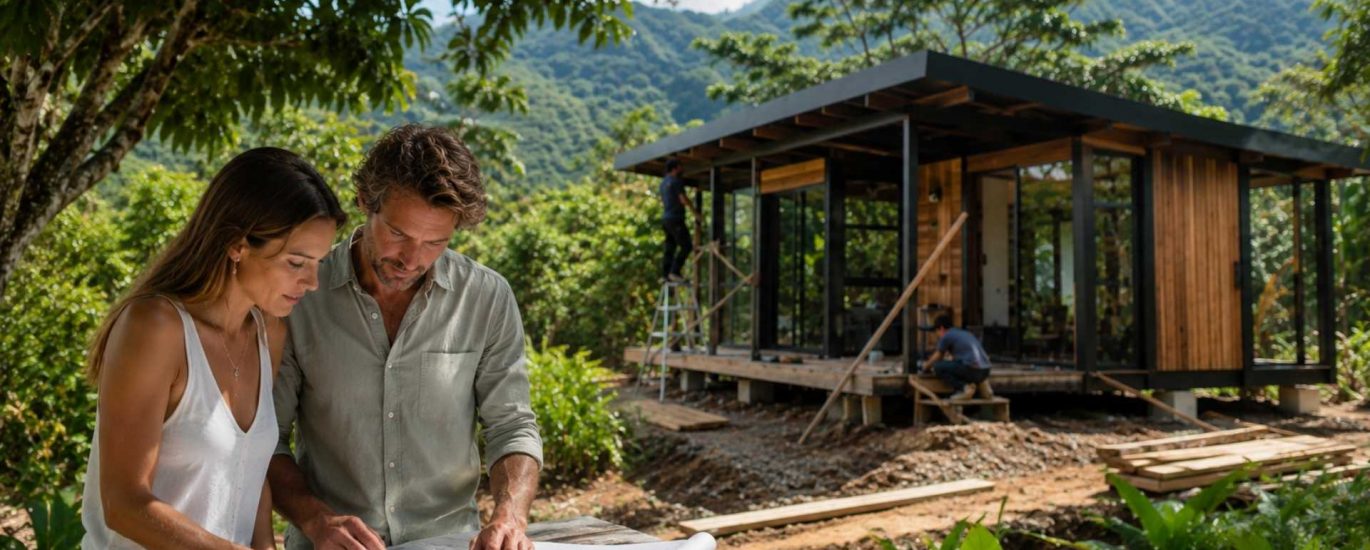
Step 5: Construction – Bringing Your Microhome to Life
With permits in hand, the exciting phase begins!
Choosing Your Builder
Select a reputable builder with experience in Costa Rican construction and, ideally, microhome projects. Look for references, visit their previous work, and ensure clear communication. Woodstock Microhomes partners with skilled local builders who share our commitment to quality and sustainability.
Construction Stages
- Site Preparation: Clearing, grading, and foundation work.
- Structural Build: Framing, roofing, and exterior walls.
- Utilities Rough-in: Plumbing and electrical systems.
- Finishing: Interior walls, flooring, cabinetry, fixtures, and painting.
- Landscaping: Integrating your microhome with the natural environment.
Regular site visits (or reliable reporting from your team) are crucial to monitor progress and ensure quality.
Step 6: Post-Construction – Moving In!
Final Inspections and Occupancy Permit
Your architect and builder will coordinate final inspections with the municipality to ensure everything complies with approved plans. Once approved, you’ll receive your Permiso de Ocupación (Occupancy Permit), allowing you to legally move in.
Utility Connections
Finalizing connections for water, electricity, and internet.
Settling In
Enjoy your new microhome! Embrace the Pura Vida lifestyle you’ve worked so hard to achieve.
Key Tips for Expats Building a Microhome in Costa Rica
- Patience is a Virtue: “Tico time” is real. Expect processes to take longer than you might be used to.
- Build Your Team Wisely: A reliable lawyer, architect, and builder are your most valuable assets. Don’t cut corners here.
- Learn Some Spanish: Even basic Spanish will greatly enhance your experience and communication with local workers.
- Embrace Local Materials: Utilize locally sourced, sustainable materials where possible. This supports the local economy and reduces your environmental footprint.
- Budget for Contingencies: Always add a 15-20% contingency fund to your budget for unexpected costs or delays [4].
- Visit Regularly (if possible): Being present or having a trusted representative on-site can prevent misunderstandings and speed up decisions.
Your Microhome Awaits with Woodstock Microhomes Costa Rica
Building your microhome in Costa Rica as an expat is an adventure, one that promises a unique blend of challenge and immense reward. At Woodstock Microhomes Costa Rica, we are dedicated to making this dream a reality. Our designs prioritize sustainable living, efficient spaces, and seamless integration with Costa Rica’s breathtaking environment. We understand the expat journey and are here to support you every step of the way.
Ready to take the first step towards your sustainable, efficient, and affordable dream home in paradise? Explore our microhome models, learn more about our sustainable practices, or contact us today for a personalized consultation. Let Woodstock Microhomes Costa Rica help you build your Pura Vida!