

Expat Property Ownership in Costa Rica: Navigating Legalities for Woodstock Microhomes
Pura Vida! The allure of Costa Rica – its vibrant culture, breathtaking natural beauty, and the promise of a more relaxed, sustainable lifestyle – calls to countless expats seeking a new beginning. For many, that dream includes owning a piece of this tropical paradise. And for those drawn to efficient, eco-conscious living, Woodstock Microhomes Costa Rica offers the perfect solution: beautifully designed, sustainable microhomes that embrace the “less is more” philosophy.
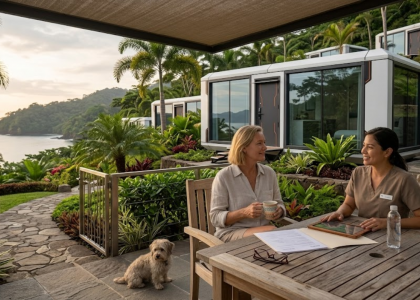
But before you start envisioning your morning coffee on a microhome porch surrounded by lush greenery, it’s crucial to understand the legal landscape of Costa Rica expat property legalities. Navigating property ownership as a non-resident can seem daunting, but with the right information and guidance, it’s a smooth and rewarding process. This comprehensive guide will illuminate the path to owning your dream Woodstock Microhome in Costa Rica.
Why Costa Rica for Your Microhome Dream?
Costa Rica has long been a haven for expats, and for good reason. Its commitment to environmental preservation, stable democracy, and high quality of life are powerful magnets. For those embracing the microhome movement, Costa Rica offers the ideal backdrop. Imagine waking up in a thoughtfully designed, energy-efficient home, minimizing your footprint while maximizing your connection to nature. Woodstock Microhomes are crafted with this vision in mind, offering affordable, efficient, and sustainable living solutions that align perfectly with the Costa Rican ethos. Our homes are not just structures; they are gateways to a lifestyle – one that respects the environment and values community.
Understanding Costa Rica Expat Property Legalities
The good news for expats is that Costa Rican law generally grants foreigners the same property rights as citizens [1]. This means you can own land, homes, and other real estate outright. However, certain nuances and regulations are essential to understand.
1. Property Registration and the National Registry
The cornerstone of secure property ownership in Costa Rica is the National Registry (Registro Nacional). Every piece of land and its associated improvements (like your Woodstock Microhome) is assigned a unique folio real number. This public record details ownership, boundaries, liens, and any encumbrances on the property.
- Due Diligence is Key: Before any purchase, your legal counsel will perform a thorough title search at the National Registry. This ensures the seller has clear title, there are no outstanding mortgages or judgments, and the property’s description matches what is being sold.
- Transfer of Title: Property transfers are formalized through a public deed (escritura pública) executed by a public notary (notario público). This deed is then registered at the National Registry, officially transferring ownership to you.
2. Zoning Laws and Land Use Regulations
Costa Rica has specific zoning laws that dictate how land can be used. These regulations vary by municipality and can impact what you can build or how you can use your property.
- Residential vs. Commercial: Most Woodstock Microhomes are intended for residential use, but it’s vital to confirm the zoning permits this.
- Setbacks and Building Codes: There are rules regarding how close structures can be to property lines, roads, and natural features. Your Woodstock Microhome design is already optimized for efficiency and compliance, but understanding the local regulations for your chosen plot is crucial.
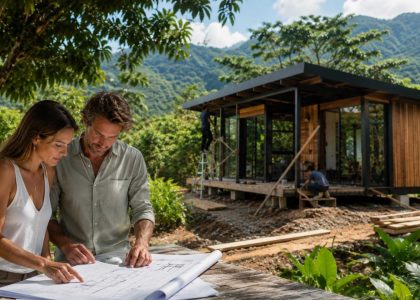
- Permits: Construction permits are required for any new build or significant renovation. Woodstock Microhomes works with local experts to ensure all necessary permits are obtained efficiently, streamlining the process for our clients.
3. Environmental Regulations (SETENA)
Costa Rica’s commitment to environmental protection is enshrined in its laws. The National Environmental Technical Secretariat (SETENA) is the governmental body responsible for environmental impact assessments.
- Impact Assessments: For larger projects or those in environmentally sensitive areas, an environmental impact assessment might be required. While microhomes typically have a minimal footprint, it’s essential to ensure your chosen land and our construction plans comply with all environmental regulations.
- Protected Areas: Be aware of properties located near national parks, wildlife refuges, or coastal zones (ZMT – Zona Marítimo Terrestre), as these often come with stricter building restrictions or concessions rather than outright ownership in some cases [2]. Your legal team and Woodstock Microhomes will guide you away from any potential pitfalls.
4. Coastal Property (ZMT – Zona Marítimo Terrestre)
The Maritime Terrestrial Zone (ZMT) is a unique legal concept in Costa Rica, affecting the first 200 meters inland from the high tide line.
- Concession vs. Ownership: The first 50 meters (public zone) cannot be privately owned. The next 150 meters (restricted zone) can be held under a concession from the municipality, not outright ownership.
- Woodstock Microhomes and ZMT: While some of our clients might be interested in land near the coast, it’s generally advisable for expats seeking outright ownership to look for properties outside the ZMT to simplify legalities. We can help you identify suitable locations.
5. The Role of Corporations vs. Individual Ownership
Many expats choose to hold property through a Costa Rican corporation (Sociedad Anónima or Limitada).
- Benefits of Corporate Ownership:
- Liability Protection: Separates personal assets from property-related liabilities.
- Estate Planning: Simplifies inheritance and transfer of ownership.
- Anonymity (Historically): While recent laws require beneficial owner declarations, corporations historically offered a degree of privacy.
- Tax Advantages: Can sometimes offer benefits, but tax laws are complex and require expert advice [3].
- Considerations: Corporations incur annual fees and require a resident agent. Your legal counsel will help you weigh the pros and cons based on your specific situation.
6. The Importance of Legal Counsel
This cannot be stressed enough: do not attempt to purchase property in Costa Rica without experienced, independent legal counsel.
- Due Diligence: A reputable attorney will conduct all necessary due diligence, verifying title, zoning, and environmental compliance.
- Contract Review: They will review and draft all legal documents, protecting your interests.
- Escrow Services: Your attorney can recommend or manage a secure escrow account for the transaction funds.
- Notary Public: In Costa Rica, the public notary is a key figure in real estate transactions, often also acting as your attorney. Ensure your notary is experienced in expat property purchases.
Financing Your Woodstock Microhome
While some expats purchase with cash, financing options are available.
- Local Banks: Costa Rican banks may offer mortgages to expats, but often require a significant down payment (e.g., 30-50%) and may have stricter lending criteria [4].
- International Lenders: Some international banks or specialized lenders offer financing for foreign property purchases.
- Seller Financing: Occasionally, sellers may offer financing, though this is less common.
- Woodstock Microhomes Support: We can connect you with trusted financial advisors who specialize in helping expats navigate financing options in Costa Rica.
Making Your Woodstock Microhome Dream a Reality
Purchasing a Woodstock Microhome in Costa Rica is more than just a transaction; it’s an investment in a lifestyle. Our commitment to sustainable building practices, innovative design, and community integration means you’re not just buying a house, you’re buying into a vision. We understand the unique needs of expats and are dedicated to making your transition as seamless as possible.
From selecting the perfect plot of land to customizing your ideal microhome model, our team is here to guide you every step of the way. We collaborate with trusted local legal professionals and real estate agents who understand Costa Rica expat property legalities inside and out, ensuring your investment is secure and compliant.
Ready to Embrace Pura Vida in Your Own Microhome?
Navigating the legalities of property ownership in a new country can feel complex, but with the right team and knowledge, it’s an exciting journey. Woodstock Microhomes Costa Rica is your partner in building a sustainable, affordable, and beautiful life in paradise.
Don’t let legal questions deter you from your dream! Explore our diverse range of microhome models and discover how efficient, eco-conscious living can be. Contact us today to schedule a consultation, learn more about our communities, and take the first step towards owning your piece of Pura Vida.
We look forward to welcoming you to the Woodstock Microhomes family!